
What Is User Acceptance Testing?
User acceptance testing (UAT) is the final phase of the software testing lifecycle where real users validate whether a system meets business requirements and is ready for deployment. In simple terms, user acceptance testing confirms that the product works as expected in real-world scenarios before it goes live. If you’re wondering what is user acceptance testing?, it is the stage where stakeholders, clients, or end-users verify that the software aligns with their needs, workflows, and expectations. Acceptance testing as a whole is a broader concept that includes multiple types such as software acceptance testing, site acceptance test, and factory acceptance testing. Each plays a unique role in validating quality, functionality, and readiness.
Understanding User Acceptance Testing
User acceptance testing is not just about finding bugs; it focuses on validating business logic and usability. Unlike earlier testing phases conducted by developers or QA teams, UAT is performed from the user’s perspective. The goal is to confirm that the software behaves correctly in real-world use cases and satisfies all defined requirements. Software acceptance testing includes UAT as a major component, confirming that both technical and business aspects are validated before release.
Who Should Perform User Acceptance Testing?
User acceptance testing should be performed by actual end-users, business stakeholders, or clients who understand the business processes. These individuals bring practical insights that developers or testers might overlook.
Typically, UAT participants include:
- Business analysts
- Product owners
- End-users
- Clients or stakeholders
Their role is to confirm the system supports real-life operations and delivers the intended value.
How to Prepare for User Acceptance Testing
Preparation is critical for a successful UAT phase. Without proper planning, testing can become disorganized and ineffective.
Key preparation steps include:
- Defining clear acceptance criteria
- Creating realistic test scenarios
- Preparing test data
- Assigning roles and responsibilities
- Setting up timelines
A well-structured plan confirms that the user acceptance testing process runs smoothly and delivers reliable results.
The UAT Environment
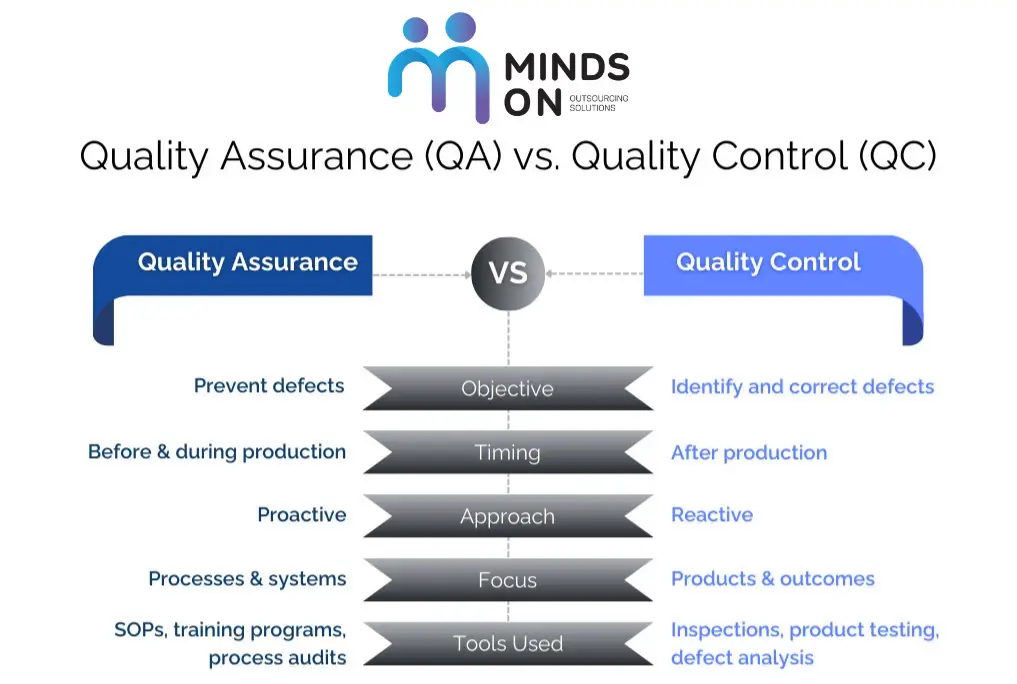
The UAT environment should closely replicate the production environment. This includes similar hardware, software configurations, databases, and network settings. A realistic environment helps users test scenarios accurately and confirms that the software performs as expected after deployment. Any mismatch between environments can lead to unexpected issues post-launch.
Conducting User Acceptance Testing
During execution, users follow predefined test cases based on real business workflows. They record results, report defects, and provide feedback on usability and functionality.
The user acceptance testing process typically includes:
- Executing test cases
- Logging issues
- Validating fixes
- Retesting
- Final approval
Once all issues are resolved and requirements are met, the system receives sign-off for release.
Best Practices for Effective User Acceptance Testing
To maximize the effectiveness of user acceptance testing, organizations should follow proven best practices:
- Involve users early in the process
- Use real-world scenarios for testing
- Maintain clear documentation
- Communicate effectively between teams
- Prioritize critical business functions
- Confirm proper training for testers
These practices help reduce risks and improve overall software quality.
What Is Site Acceptance Test?
A site acceptance test is performed at the client’s location after installation. If you’re asking what is site acceptance test?, it is a process that confirms the system works correctly in its actual operating environment. Unlike UAT, which focuses on user requirements, a site acceptance test validates system performance under real conditions, including infrastructure and hardware compatibility.
What Is Factory Acceptance Testing?
If you’re wondering what is factory acceptance testing?, it refers to testing conducted at the vendor’s facility before delivery. This confirms that the system meets predefined specifications and functions correctly before being shipped to the client.
Factory acceptance testing focuses on:
- Equipment functionality
- System integration
- Performance checks
It is commonly used in industrial systems, manufacturing, and hardware-based solutions.
Software Acceptance Testing Explained
Software acceptance testing is the umbrella term that includes various testing types such as user acceptance testing, site acceptance test, and factory acceptance testing. It confirms that the software meets both technical specifications and business requirements. This phase acts as the final checkpoint before deployment, reducing the risk of failure and improving user satisfaction.
Common Challenges in User Acceptance Testing
Despite its importance, user acceptance testing comes with challenges:
- Lack of user involvement
- Poorly defined requirements
- Inadequate test data
- Time constraints
- Communication gaps
Addressing these challenges requires proper planning, stakeholder engagement, and clear communication.
Benefits of User Acceptance Testing
User acceptance testing provides several key benefits:
- Confirms software meets business needs
- Identifies real-world usability issues
- Reduces post-launch risks
- Improves user satisfaction
- Builds stakeholder confidence
It acts as a safety net before the final release.
Conclusion
User acceptance testing is a critical step in delivering high-quality software that truly meets user expectations. Whether it’s understanding what is user acceptance testing, exploring the user acceptance testing process, or comparing it with site acceptance test and factory acceptance testing, each aspect plays a vital role in confirming successful deployment. By implementing structured acceptance testing strategies, businesses can minimize risks, improve performance, and deliver solutions that align perfectly with user needs.
Categories
Latest Posts