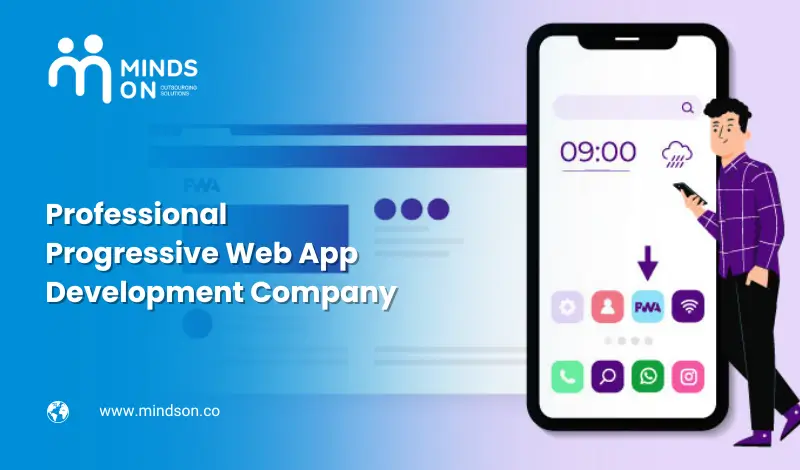
Boost Growth with a Professional Progressive Web App Development Company
Starting your journey to become a full-stack developer is both exciting and a bit scary, as you have to learn many different things like how to build the part of a website that users see the hidden logic that makes everything run, how data is stored , and how to get a site live for everyone to use and with so many learning resources available, a well-structured book remains one of the best ways to build a deep, solid foundation, so this guide is here to help you find the best books for aspiring and intermediate full-stack developers, giving you a strong, start-to-finish understanding of modern web development.
What Makes a Great Full-Stack Development Book?
Before diving into specific titles, it’s essential to understand the criteria for an excellent full-stack resource. The best full-stack web development books share several key characteristics:
- Holistic Coverage:They connect front-end (HTML, CSS, JavaScript, React/Vue) with back-end (Node.js, Python, PHP, databases) and DevOps concepts.
- Modern Tech Stack:They focus on current, in-demand technologies and patterns, not outdated frameworks.
- Project-Based Learning:Theory is cemented through building real, deployable applications.
- Progressive Difficulty:They cater to beginners but scale to intermediate concepts without overwhelming.
- Clear Explanations:Complex topics like APIs, authentication, and databases are broken down intuitively.
Top Contenders: The Best Full-Stack Books Breakdown
This book stands out by focusing not just on code, but on the complete ecosystem a full-stack developer operates within. Northwood details the non-technical and technical disciplines required, from working with UX designers to understanding infrastructure and security.

Full-Stack React Projects: Learn MERN, Next.js, and GraphQL by Building Modern Web Apps
For developers committed to the JavaScript ecosystem, the MERN (MongoDB, Express.js, React, Node.js) stack is a dominant force. This book is a project powerhouse, guiding you through building eight complete applications, including a social media app, an online marketplace, and a video streaming service.
Python Crash Course, 2nd Edition
While not exclusively a full-stack book, its structure is ideal for the journey. The first half teaches Python fundamentals cleanly and efficiently. The second half is where it shines for full-stack aspirants: you undertake three major projects, including a web application built with Django.
Eloquent JavaScript: A Modern Introduction to Programming, 3rd Edition
Full-stack development is increasingly JavaScript-centric. Eloquent JavaScript is a modern classic that dives deep into the language’s soul its functional programming aspects, asynchronous programming, and modularity. Later chapters specifically tackle Node.js for back-end development and building a simple web application.
What is a Progressive Web App Development Company?
A Progressive Web App Development Company is a specialized technology partner focused on designing, building, and optimizing PWAs. These firms possess deep expertise in modern web technologies (Web App Manifests, and modern JavaScript frameworks) and a profound understanding of user experience (UX) design principles designer for the Progressive Web App Development paradigm. They don’t just write code; they architect solutions that deliver native-like performance, offline functionality, and smooth cross-platform engagement through a single codebase.
Unmatched Focus on Core Web Vitals and Performance
Performance is not just a feature of a PWA; it is its raison d’être. A leading Progressive Web App Development agency will have performance optimization ingrained in its development DNA. They will obsess over Core Web Vitals Largest Contentful Paint (LCP), First Input Delay (FID), and Cumulative Layout Shift (CLS) ensuring your PWA scores exceptionally well. This directly impacts user retention, conversion rates, and critically, search engine rankings, as Google uses these metrics as ranking signals.
Categories
Latest Posts
Best Shopify SEO Services Complete Guide to Ranking Your Shopify Store #1 on Google
March 17, 2026
No Comments
Read More »
Strategic User Experience (UX) Design
The UX of a PWA is distinct. It must balance the familiarity of a web page with the smooth, gesture-driven interactions of a native app. Specialized companies have UX/UI designers who understand these nuances. They design intuitive “Add to Home Screen” prompts, create smooth transitions between online and offline states, and craft navigation that feels app-native. This strategic design focus maximizes user engagement and session duration.
Cost Efficiency and Faster Time-to-Market
Developing separate native apps for iOS and Android is a significant, ongoing investment. A Progressive Web App Development provides a consistent experience across all platforms from a single codebase, drastically reducing development and maintenance costs. A proficient Progressive Web App Development company can deliver a production-ready, cross-platform application much faster than teams building multiple native apps, allowing you to validate your product and capture market share more quickly.
Proven Best Practices and Industry Insights
A seasoned Progressive Web App development partner brings lessons learned from previous projects. They know the common pitfalls in implementing Service Workers and the best patterns for push notification strategies that drive engagement without being intrusive. This repository of experience accelerates your project and de-risks the development process.
Conclusion: Your Next Step in Full-Stack Mastery
The journey to full-stack proficiency is a marathon, not a sprint. The best web development book for fullstack learning is the one that matches your current skill level, aligns with the tech stack you want to learn, and keeps you engaged through practical building. For its balance of modern technology, comprehensive project-based learning, and coverage of the entire development lifecycle, “Full-Stack React Projects” is our top overall recommendation for 2026. It doesn’t just teach code it teaches you how to build, integrate, and think like a full-stack developer.