How AI Has Been Integrated into SCADA Systems
Modern industries rely heavily on automation and intelligent monitoring to ensure efficient operations. Supervisory Control and Data Acquisition (SCADA) systems have long been the backbone of industrial monitoring, allowing organizations to supervise, control, and analyze infrastructure such as power grids, water treatment facilities, manufacturing plants, and oil pipelines. With the rapid advancement of artificial intelligence, organizations are now exploring ai integration services to improve the capabilities of SCADA systems. AI integration enables predictive insights, automation, anomaly detection, and improved decision-making. By combining AI technologies with SCADA platforms, businesses can transform traditional monitoring systems into intelligent operational ecosystems. This article explores how AI has been integrated into SCADA systems and how modern AI solutions are improving industrial efficiency.
AI Integration
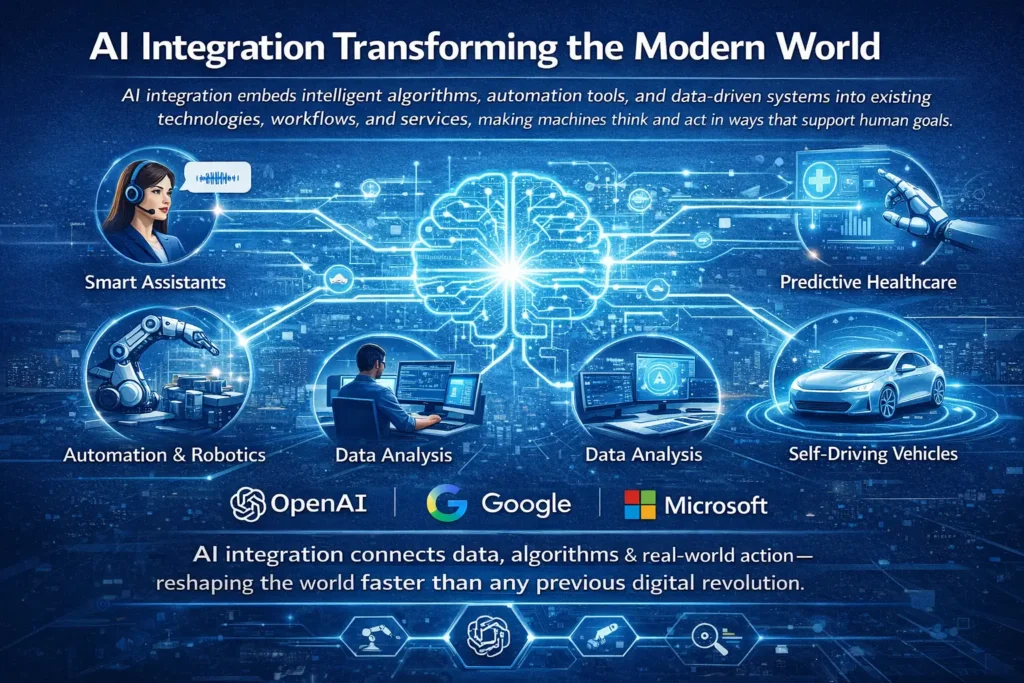
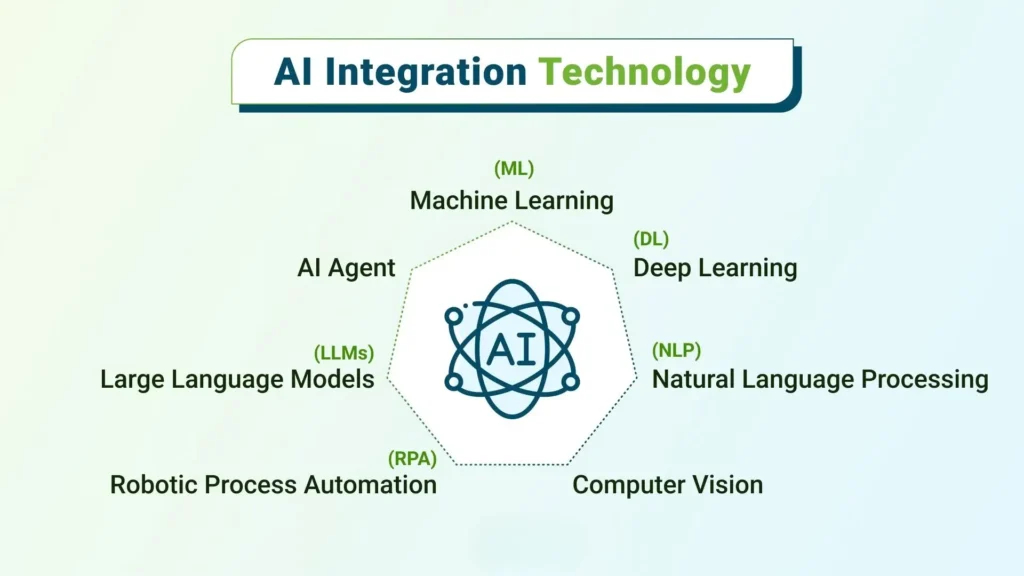
AI integration refers to the process of embedding artificial intelligence technologies into existing systems, software platforms, or workflows. In the context of SCADA systems, AI integration allows machine learning algorithms to analyze massive volumes of sensor data collected from industrial equipment. Traditional SCADA systems collect and visualize data but rely on human operators to interpret it. AI integration adds a layer of intelligence by enabling systems to:
- Detect anomalies automatically
- Predict equipment failures
- Optimize operational processes
- Reduce downtime and maintenance costs
For example, in power plants, AI models analyze SCADA data streams to detect patterns that indicate possible equipment degradation. Instead of waiting for equipment to fail, operators receive early warnings and can take preventive action.
AI Integration Services
Organizations often use specialized ai integration services to incorporate artificial intelligence into their SCADA infrastructure. These services help companies connect AI tools, machine learning frameworks, and analytics platforms with their existing monitoring systems.
AI integration services typically include:
- Data pipeline development
- AI model development and training
- Integration with SCADA dashboards
- Automation workflow design
- Predictive analytics deployment
By leveraging these services, industrial companies can modernize their operational technology environments without replacing their entire SCADA infrastructure. These services are especially important in industries like oil and gas, utilities, and manufacturing, where downtime can lead to significant financial losses.
Averi AI Integrations
Averi AI integrations refer to advanced AI solutions designed to integrate seamlessly with enterprise systems. When used with SCADA platforms, these integrations allow organizations to automate complex monitoring tasks and improve operational intelligence. For instance, Averi AI tools can analyze SCADA data from multiple sensors simultaneously and detect subtle performance issues. This capability helps industries identify inefficiencies such as energy waste, machine wear, or process bottlenecks. Through these integrations, organizations can create intelligent monitoring environments where machines, analytics platforms, and operators collaborate in real time.
Integrated Eligibility Systems AI
While integrated eligibility systems AI is commonly associated with government services, its core principles data integration and automated decision-making can also benefit industrial SCADA environments. In SCADA systems, similar AI-driven eligibility logic can determine whether operational conditions meet predefined safety or efficiency thresholds. For example:
- AI verifies if pressure levels meet safety standards
- Systems check whether energy consumption is within acceptable ranges
- Automated alerts trigger when conditions violate operational policies
This type of intelligent eligibility evaluation ensures compliance with safety standards and regulatory requirements.
AI Data Integration
A critical component of SCADA modernization is ai data integration. Industrial systems generate massive volumes of sensor data, but without proper integration, much of this data remains underutilized.
AI data integration connects multiple data sources such as:
- IoT sensors
- PLC controllers
- historical SCADA databases
- cloud analytics platforms
By consolidating this information, AI algorithms can perform deeper analytics and generate actionable insights. For example, AI models may analyze temperature data, vibration patterns, and production metrics simultaneously to identify hidden relationships that affect equipment performance.
Apple AI Provider Integrations
In modern enterprise ecosystems, companies often explore apple ai provider integrations when developing AI-enabled applications or dashboards for SCADA monitoring. Apple’s AI frameworks and developer tools support advanced analytics, machine learning models, and real-time data processing. When integrated with industrial applications, these technologies enable mobile monitoring solutions that allow engineers to receive alerts, analyze data, and manage systems directly from mobile devices. This approach improves accessibility and ensures that operators can respond to operational issues quickly, even when they are not physically present in control rooms.
AI Integration Consulting
Implementing AI in SCADA environments can be complex. Many organizations rely on ai integration consulting services to design and deploy effective AI strategies. Consultants typically assess the organization’s current SCADA infrastructure and recommend:
- AI architecture designs
- data management frameworks
- cybersecurity strategies
- machine learning implementation plans
Through AI integration consulting, businesses can avoid common integration challenges and ensure that their AI solutions align with operational objectives.
AI Integration in Business
Beyond industrial automation, ai integration in business is transforming how organizations operate across multiple sectors. SCADA systems are just one example of how AI can improve operational efficiency. Businesses that integrate AI into their workflows benefit from:
- automated decision-making
- enhanced predictive analytics
- improved operational visibility
- cost optimization
In manufacturing industries, AI-powered SCADA systems can adjust production parameters dynamically based on demand forecasts and equipment performance. This flexibility enables companies to maximize productivity while minimizing resource waste.
AWS Open AI Integrations
Cloud platforms play a crucial role in AI-enabled SCADA systems. AWS Open AI integrations allow organizations to connect industrial monitoring systems with powerful cloud-based AI services. Through these integrations, SCADA systems can:
- store and process massive datasets in the cloud
- train machine learning models using cloud computing resources
- deploy AI models for real-time predictions
For example, predictive maintenance models hosted on cloud platforms analyze SCADA sensor data and forecast equipment failures days or even weeks in advance. Cloud-based AI integrations also support scalability, enabling organizations to expand their analytics capabilities as their data volume grows.
Generative AI Integration Services
Recent advancements in artificial intelligence have introduced generative ai integration services into industrial environments. Generative AI technologies can analyze operational data and generate insights, reports, and recommendations automatically. In SCADA systems, generative AI can assist operators by:
- summarizing system performance data
- generating predictive maintenance reports
- recommending process optimization strategies
For instance, instead of manually reviewing thousands of sensor logs, engineers can rely on generative AI tools to produce concise summaries of system health and operational trends.
How to Use AI to Support Integrated ISO Audits
Compliance and quality assurance are critical in industries that rely on SCADA systems. Understanding how to use ai to support integrated iso audits can help organizations maintain regulatory compliance efficiently. AI tools can assist ISO audits by:
- automatically collecting operational data
- verifying compliance with ISO standards
- generating audit documentation
- identifying potential compliance risks
For example, AI algorithms analyze SCADA data logs to ensure that operational parameters remain within approved safety ranges. If a deviation occurs, the system records the event and provides audit-ready documentation.
AI Integration Specialist
An ai integration specialist plays a crucial role in implementing AI within SCADA environments. These professionals possess expertise in machine learning, data engineering, and industrial automation systems. Their responsibilities typically include:
- designing AI architectures for industrial environments
- integrating machine learning models with SCADA platforms
- optimizing data pipelines
- ensuring system security and reliability
AI integration specialists act as a bridge between data scientists, engineers, and operational teams, ensuring that AI solutions function effectively within complex industrial systems.
Generative AI Integration
Generative ai integration is becoming increasingly valuable in industrial monitoring systems. Unlike traditional analytics tools, generative AI models can create new insights, recommendations, and operational strategies. In SCADA systems, generative AI integration allows:
- automated system diagnostics
- predictive scenario modeling
- natural language system reports
For example, engineers can ask AI systems questions such as “What caused the temperature spike in turbine 3?” and receive data-driven explanations based on historical SCADA records.
Best Voice AI API for Global Telephony Integration
Communication is another area where AI enhances SCADA environments. The best voice ai api for global telephony integration allows industrial systems to send automated voice alerts to engineers and maintenance teams.
Voice AI APIs can:
- deliver automated emergency alerts
- provide spoken status updates
- enable voice-controlled system queries
For example, if a SCADA system detects abnormal pressure levels in a pipeline, the system can automatically place a voice call to engineers with detailed alerts. This capability ensures rapid response times, especially in critical infrastructure environments where delays can lead to serious consequences.
The Future of AI-Powered SCADA Systems
AI integration is rapidly transforming SCADA systems from passive monitoring platforms into intelligent operational ecosystems. With advancements in machine learning, cloud computing, and generative AI, industrial systems are becoming more predictive, automated, and adaptive. Organizations investing in ai integration services can unlock numerous benefits, including improved operational efficiency, enhanced safety, and reduced maintenance costs. As industries continue to adopt AI technologies, SCADA systems will evolve into highly intelligent platforms capable of managing complex infrastructure autonomously. Businesses that embrace this transformation will be better positioned to optimize operations, reduce risks, and maintain a competitive advantage in the digital industrial landscape.
Categories
Latest Posts